
Will Your Next Favorite Show Be Made by a Prompt?
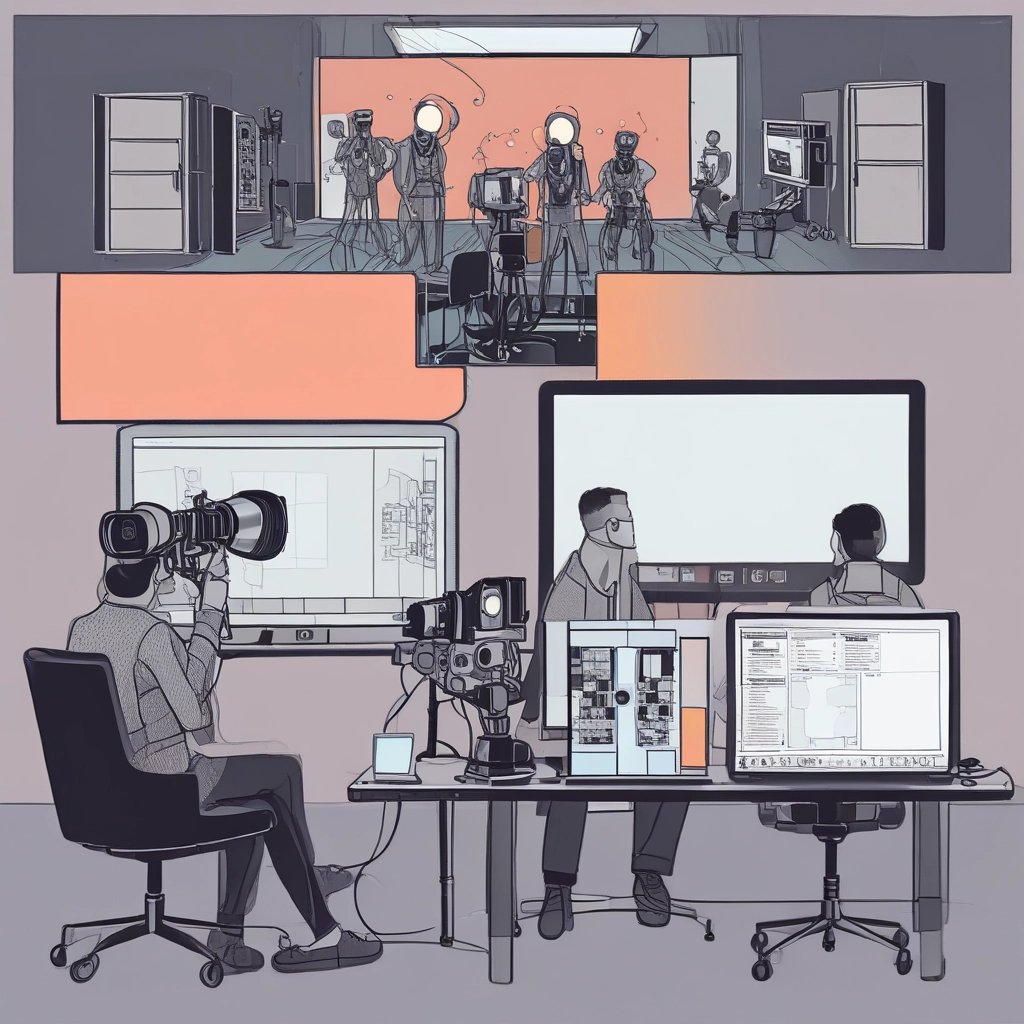
The traditional image of a Hollywood production involves thousands of people, massive soundstages, and budgets that could fund a small nation. It is a world defined by gatekeepers and astronomical costs, where a single "green light" can take a decade to secure. However, a quiet shift is happening in the way we tell stories, and it starts with a blinking cursor in a chat box. We are moving into an era where the distance between a great idea and a finished pilot episode is shrinking faster than anyone expected.
Generative AI is currently weaving its way through every stage of the creative pipeline, from the first draft of a script to the final color grade. Writers are using these tools not to replace their voices, but to break through the dreaded blank page by generating hundreds of character names or obscure plot twists in seconds. On the visual side, virtual sets that once required millions of dollars in location scouting and physical construction can now be rendered digitally with startling detail. This isn't just about making things faster; it is about changing the fundamental math of how a show gets made.
Naturally, this shift brings up a lot of valid anxiety about the future of creative careers. The fear that a machine might "take a job" is a heavy one, but the history of technology in art usually tells a different story. When the digital camera arrived, people thought it was the end of cinematography, yet it actually led to a massive explosion of new filmmakers who finally had the tools to compete. AI is poised to do something similar by democratizing high-end production. A small team of three people in a garage can now produce a visual spectacle that would have required a major studio's resources only five years ago.
This democratization means we are likely to see a surge in niche, experimental, and hyper-original content that big studios would usually consider too risky. When the cost of failure drops, the room for innovation grows. We might soon find ourselves obsessed with a series created by a teenager in another country who used a series of prompts to build a world we’ve never seen before. The human element remains the most critical part of the equation because a prompt is only as good as the vision behind it.
Ultimately, the "prompt" is just the newest version of the pen or the camera. It is a way to translate the weird, wonderful images in our heads into something the rest of the world can see. Your next favorite show might indeed start with a prompt, but it will succeed because of the human heart that decided which prompt was worth following. We are entering a time where the only real limit on a great story is the imagination of the person typing the words.
Connect
Newsletter
contact [@] newspros.fun
© Tread Media, 2025. All rights reserved.