
The "Uncanny Valley" of Comedy:
Why AI is Actually Great at Being Awkward
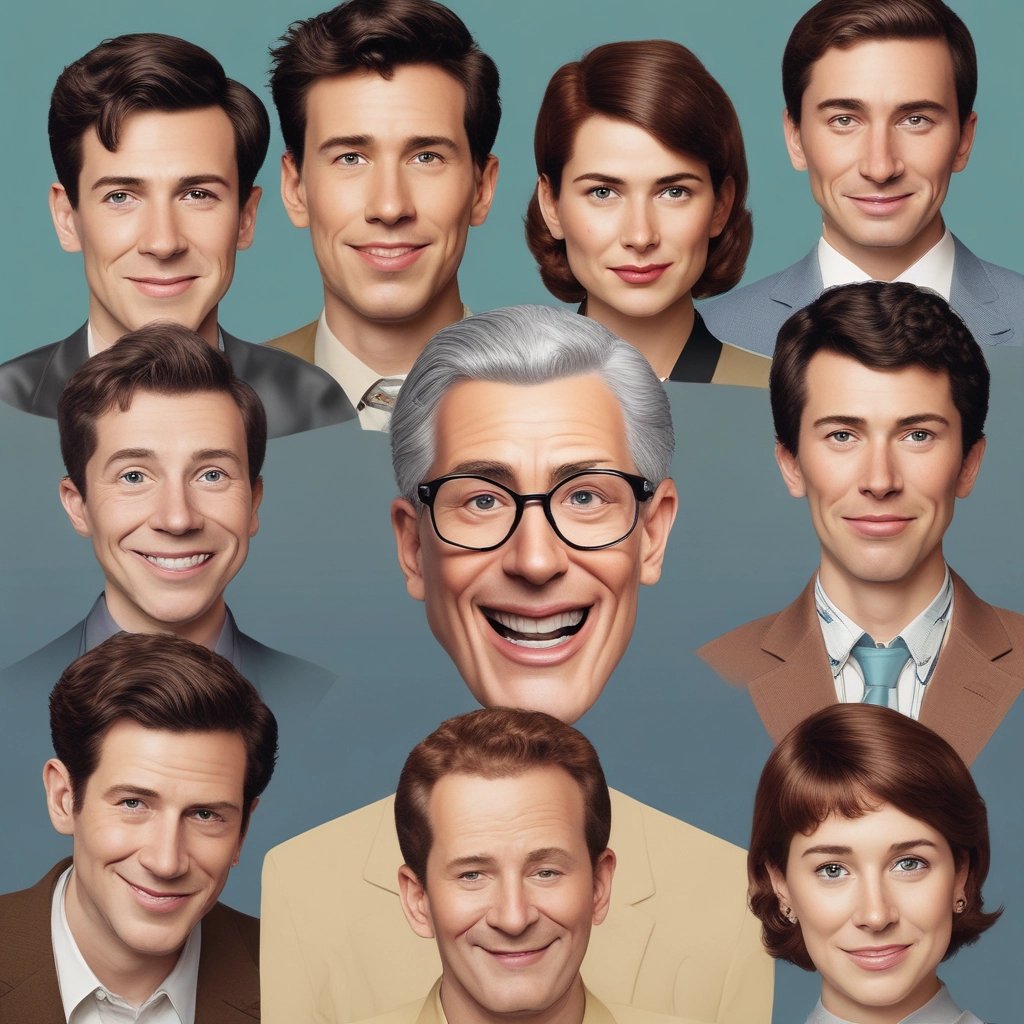
We have all seen those early AI videos where a person tries to eat spaghetti and ends up looking like a Lovecraftian horror. Usually, the reaction is a mix of genuine terror and a quick reach for the "delete" button. We tend to think of artificial intelligence as something that needs to be polished until it is indistinguishable from a human, but in doing so, we might be overlooking its greatest comedic gift. The very thing that makes AI "bad" at being human is exactly what makes it a powerhouse for a very specific, very modern brand of humor.
The concept of the uncanny valley usually describes that eerie feeling we get when something looks almost human but is just slightly off. In a high-stakes thriller or a medical simulation, that gap is a failure. In the world of comedy, however, that gap is where the magic happens. Think about the most iconic moments in sitcom history. Most of them rely on characters who lack basic social awareness or who misinterpret a simple situation so spectacularly that it becomes painful to watch. AI does not have to "act" socially awkward because it is fundamentally an outsider trying to decode the strange, unwritten rules of human interaction.
When a language model tries to write a joke and misses the mark, it often lands in a territory that a human writer could never intentionally reach. It might fixate on a bizarre detail or use a word that is technically correct but tonally insane. This creates a "glitch" in our expectations. Humor often comes from the subversion of what we think is coming next, and AI is the ultimate subverter because it doesn't actually know what the "normal" next step is. It is playing a game of chess where it occasionally decides that the knight should simply turn into a cloud of steam.
There is a certain psychological relief in watching an AI struggle with the mundane. We spend so much of our lives trying to navigate social cues and avoid looking foolish, so seeing a machine confidently output total nonsense feels like a parody of our own social anxieties. It turns the "robotic" nature of the technology into a mirror for the "robotic" ways we sometimes act in polite society. Instead of trying to fix every hallucination or awkward phrasing, we should start looking at these digital stumbles as a new genre of performance art.
The future of AI in entertainment might not be about creating the perfect digital actor who can deliver a flawless Shakespearean monologue. Instead, it might be about the character who doesn't understand why you can't wear a tuxedo to a car wash or why people get upset when you describe a sandwich using mathematical constants. By leaning into the awkwardness, we find a version of AI that isn't just a tool, but a genuinely funny collaborator that thrives in the space where logic and reality don't quite meet.
Connect
Newsletter
contact [@] newspros.fun
© Tread Media, 2025. All rights reserved.